
Mindful Prosperity, Resilience You Can Live Every Day
Wealth That Feels Balanced, Not Just Bigger


Rituals That Refill Your Inner Battery
Staying Steady When Money Meets Emotions
Name It to Tame It
Pause when you feel rushed or threatened, and label the emotion with precision: anxious, frustrated, ashamed, or lonely. Studies show naming reduces amygdala activation. Once acknowledged, choose one small action that restores agency, like clarifying the next step or kindly postponing a decision.
The Two-List Reset
On paper, divide what you can control from what you cannot. Populate the first with specific behaviors and time windows. Populate the second honestly, then release it with a ritual, like closing the notebook. Your energy re-concentrates, and procrastination shrinks under clearer direction.
Compassionate Self-Talk
Replace harsh inner commentary with the tone you would use for a dear friend. Acknowledge effort, normalize setbacks, and invite the smallest worthwhile improvement. This practice reduces shame spirals, sustains motivation during slow progress, and keeps your identity anchored to learning rather than perfection.

Automatic, Not Heroic
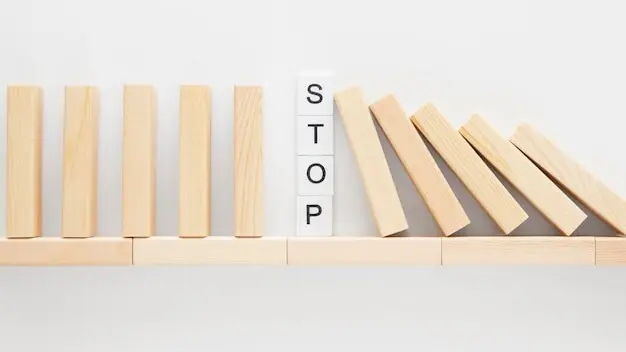
Friction for Impulse Buys

Tiny Wins Compound Over Time
Stronger Together: Community as a Safety Net
From Setbacks to Rebounds: True-to-Life Moments
Your Next Steps: Make It Real This Week
A Seven-Day Starter You Can Trust
Day one: define values. Day two: automate one transfer. Day three: set a morning check-in. Day four: add purchase friction. Day five: schedule a micro-break. Day six: review metrics that matter. Day seven: debrief and choose one sustainable improvement.
Signals and Safeguards That Protect Progress
Write down your common derailers—fatigue, comparison, or rushed mornings—and pair each with a pre-decided response. Add environmental helpers like calendar blocks, water on your desk, or website blockers. These safeguards replace willpower with design, keeping momentum alive when life gets complicated.
Join the Conversation and Shape the Journey
Post a comment describing one practice you will test this week and why it matters. Invite a friend to join you, and subscribe for fresh prompts. Your participation builds a learning circle where courage, prosperity, and steadiness grow stronger together.